
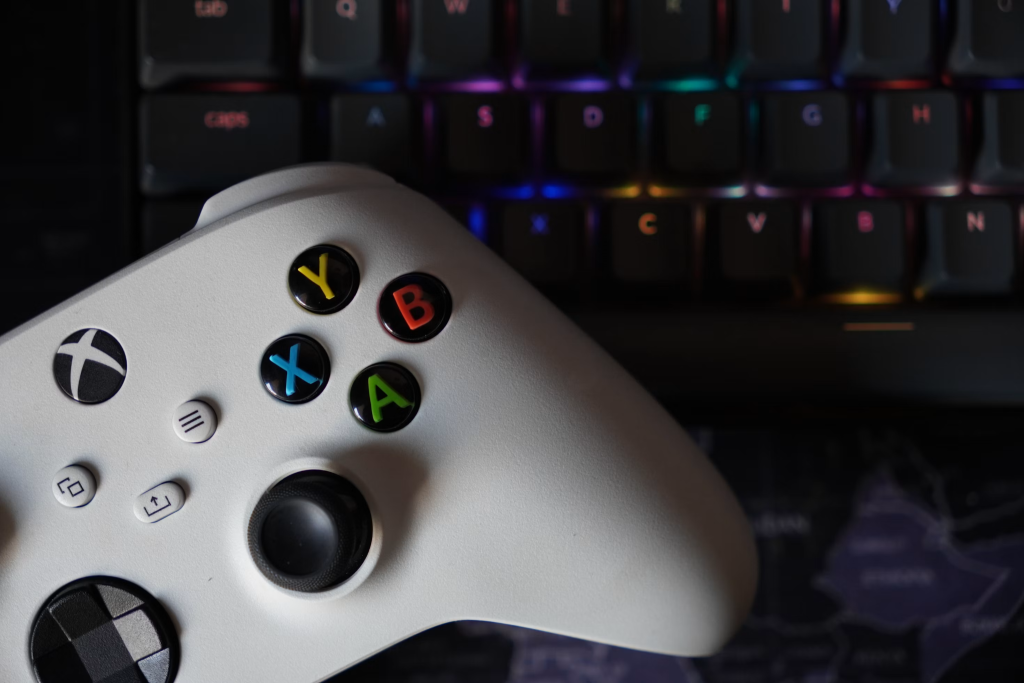
Gaming hardware changes quickly, and every year brings another wave of screens, mice, headsets, and controllers claiming to improve the experience. Yet one piece of equipment keeps holding its place with surprising confidence: the mechanical keyboard. That staying power is not an accident. A keyboard sits at the centre of countless actions, from movement and timing to communication and menu control. For many gaming setups, the keyboard is not background equipment. It is part of the rhythm of play.
That is one reason mechanical keyboards still keep a strong reputation in modern gaming culture. The same search for speed, comfort, and smooth interaction can be seen across digital spaces, including platforms such as spinfin, where easy response shapes the overall experience. In gaming, that principle becomes even more direct. A keyboard is used constantly. Every press carries weight, and the feel of that press can change how a session unfolds over time.
A Better Key Feel Changes More Than Expected
The first thing most users notice with a mechanical keyboard is feel. A key press feels more distinct, more deliberate, and often more satisfying than the softer, flatter response of many standard membrane boards. That difference may sound small to somebody looking at a specification sheet, but in practice it changes the whole mood of interaction.
A key that actuates with a cleaner response can make movement feel sharper. Repeated commands feel more reliable. Fast inputs feel less muddy. That matters in shooters, strategy titles, MMOs, battle royales, and competitive multiplayer games where timing and consistency matter more than flashy hardware marketing.
There is also a mental side to this. Clear feedback reduces uncertainty. A finger knows when a key has been pressed properly. That confidence supports rhythm, and gaming depends on rhythm more than many buying guides admit.
Precision Still Matters in Competitive Play
Mechanical keyboards remain relevant because precision still matters. A good board helps separate accidental presses from intentional ones. It also makes repeated movement feel more controlled, especially in games where small input mistakes can ruin positioning, timing, or ability use.
This is not magic, of course. A better keyboard will not suddenly create perfect aim, flawless strategy, or tournament-level skill. Reality stays rude about that. Still, good equipment removes friction. Less friction means more consistency, and consistency matters in ways that become obvious only after long use.
What Makes Mechanical Keyboards Stand Out
- A clearer actuation point during each key press
- Faster and more confident repeated inputs
- Better feedback for movement and ability timing
- Stronger consistency during long sessions
- More switch options for different playing styles
- A firmer, more deliberate overall feel
None of these points sounds dramatic in isolation. Together, though, the effect becomes hard to ignore. A setup starts to feel more responsive, and that changes how comfortable the game feels under the hands.
Durability Still Carries Real Value
Another reason mechanical keyboards still matter is durability. Gaming equipment takes abuse. Fast matches, repeated movement, tense moments, and long hours of daily use all wear hardware down. A keyboard that feels decent at first can start feeling uneven later if the build quality is weak.
Mechanical boards often keep a stronger reputation because they are built with longer use in mind. Switch longevity, sturdier construction, replaceable keycaps, and repair-friendly features all help. In a market full of gear designed to look exciting for a year and then quietly disappoint, durability becomes more valuable than it first appears.
A reliable keyboard also creates trust. Trust sounds like a strange word for hardware, but it fits. A player wants equipment that feels stable from match to match, not something that becomes unreliable once the novelty wears off.
One Keyboard Style Does Not Fit Every Gamer
This is where the conversation gets more interesting. Mechanical keyboards are not all trying to do the same job. Some are compact and fast. Some are heavier and designed for a fuller desk setup. Some prioritise quiet performance. Others lean into a louder, sharper identity. That variety helps explain why the category remains so relevant.
Where the Difference Feels Most Noticeable
- Competitive shooters with fast movement patterns
- MOBAs and MMOs with repeated ability inputs
- Strategy games that depend on fast command use
- Long gaming sessions where fatigue becomes a factor
- Mixed setups used for both gaming and typing
- Daily routines where reliability matters more than novelty
This flexibility keeps mechanical keyboards from becoming a niche obsession. The appeal reaches beyond one genre or one style of player.
Sound and Identity Still Play a Role
It would be unfair to pretend the appeal is purely technical. Mechanical keyboards also carry personality. Sound, keycap choice, layout, and visual design all add character to a setup. Some boards sound sharp and lively. Some feel muted and clean. That identity matters because gaming spaces are personal spaces now. The keyboard is not only a tool. It is also part of how a setup feels day after day.
Still, style alone would never have kept mechanical keyboards relevant for so long. The category survived because the practical advantages are real. Better feel, stronger consistency, more customisation, and longer-lasting value all give the format real weight.
Mechanical Keyboards Matter Because Input Still Matters
Mechanical keyboards still matter for gamers because input still matters. A game can look beautiful, but if movement feels off, the whole experience suffers. A setup can be expensive, but if the main tool under the hands feels weak, the confidence disappears quickly. Mechanical boards continue to hold value because they improve one of the simplest and most important parts of gaming: the act of pressing a key and trusting the response.
That is why the category never really went out of style. In a market full of fast trends, a strong keyboard keeps proving the same point. Good input is not a luxury. Good input is part of good play.