
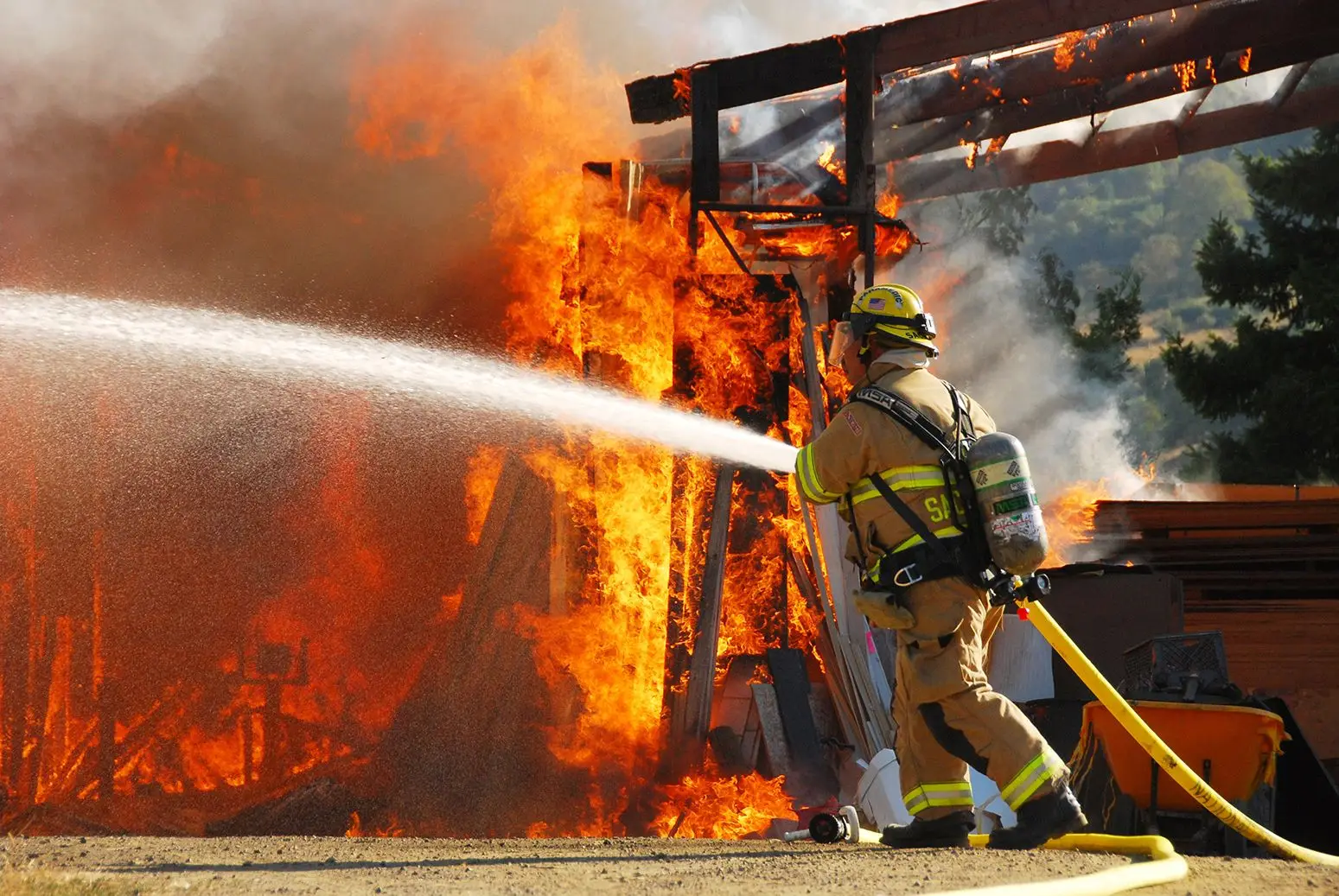
Commercial properties can face serious safety concerns when normal fire protection systems stop working. Building managers must respond quickly while keeping daily operations controlled. A trained emergency fire watch Portland team can observe vulnerable areas and report warning signs without disrupting occupants. Reliable Emergency Fire Watch Portland Coverage for Complex Commercial Property Safety Needs focuses on organized monitoring during temporary protection gaps. Clear communication also helps staff understand their responsibilities during these periods. Consistent oversight keeps temporary safety arrangements structured until standard protection returns.
Maintaining Order During Safety Disruptions
Unexpected equipment problems can create uncertainty across busy commercial buildings. Fire watch personnel provide visible monitoring while repairs or inspections continue. Their presence supports orderly routines without creating unnecessary concern among workers or visitors. Regular patrols also help property managers maintain awareness throughout affected spaces.
Daily Duties Supporting Safer Properties
Fire watch coverage involves more than simply walking through a building. Personnel follow planned routes while checking conditions that may increase fire concerns.
- Patrol teams inspect assigned spaces according to established building schedules.
- Guards identify blocked exits before they create evacuation difficulties.
- Routine rounds help detect smoke or unusual conditions without delay.
- Personnel maintain written records showing completed patrol times and locations.
- Clear communication allows building managers to receive updates during coverage.
- Exit routes receive regular attention throughout temporary system repair periods.
- Storage spaces are observed for materials creating avoidable fire concerns.
- Immediate reporting supports faster responses when suspicious conditions appear onsite.
Coordinating Coverage Across Complex Buildings
Large commercial properties often contain offices, storage rooms, service areas, and shared spaces. Each section may require a different level of observation based on current conditions. Planned patrol routes help personnel cover these locations without leaving important areas unattended. Managers can adjust monitoring arrangements when building activities or repair work changes.
What Makes Temporary Fire Monitoring More Dependable Today?
Dependable monitoring begins with clear responsibilities and a practical patrol plan. Personnel need to understand which spaces require attention, how often rounds should occur, and where observations must be recorded. Consistent procedures reduce confusion during periods when permanent protection equipment remains unavailable.
Supporting Occupants Without Causing Disruption
Commercial buildings may remain occupied while safety equipment receives repairs. Temporary monitoring should therefore fit around normal workplace movement and operating schedules. Personnel can complete regular rounds while remaining aware of employees, customers, contractors, and visitors. Quiet observation supports safety without creating avoidable interruptions.
Keeping Monitoring Records Clear
Written documentation creates a useful history of every completed patrol. During emergency fire watch Portland coverage, records may include inspection times, observed conditions, reported concerns, and corrective actions. Consistent entries help managers understand what occurred throughout each shift. Organized documentation can also support communication with inspectors or responsible building representatives.
Planning Coverage Around Property Conditions
Every commercial property has different operating patterns and physical layouts. Coverage planning should consider building use, occupancy levels, working hours, and temporary hazards. These details help managers arrange monitoring that matches actual property conditions. A structured approach also makes responsibilities easier to understand.
| Property Condition | Monitoring Consideration | Management Response |
| Renovation activity | Changing work areas | Review patrol boundaries regularly |
| High visitor movement | Busy shared spaces | Keep exit paths visible |
| Overnight operations | Reduced staffing | Maintain scheduled observation rounds |
| Multiple building levels | Wider patrol distance | Divide routes into manageable sections |
| Contractor work | Temporary equipment present | Confirm safe storage after work |
| Restricted rooms | Limited entry points | Assign authorized personnel for checks |
Common Fire Watch FAQ
- When is fire watch coverage commonly needed? During temporary protection system interruptions.
- Who usually coordinates patrol routes? Property representatives and assigned safety personnel establish coverage.
- Why are patrol records maintained? They document observations, timings, locations, and reported concerns.
- What areas deserve regular observation? Exits, storage spaces, work zones, and shared areas.
- Should patrol plans remain unchanged? No, changing property conditions may require route adjustments.
- What happens after systems return? Management confirms restoration before temporary monitoring finishes.
Steady Oversight Builds Lasting Readiness
Careful supervision remains valuable when permanent safeguards are temporarily unavailable. Reliable routines allow responsible teams to notice changing conditions before minor concerns become larger problems. Accurate records provide continuity between shifts while thoughtful coordination keeps responsibilities clear. Strong execution comes from repeating sensible procedures consistently rather than expecting every temporary arrangement to operate perfectly.